Zamawiając produkty za pośrednictwem linków, wspierasz tę stronę bez ponoszenia dodatkowych kosztów. Więcej informacji >

Dornier Do 17, Do 217 i Do 335 Pfeil: książki - historia, technika i rozmieszczenie

Szukasz książki o samolotach bojowych Dornier Do 17, Do 217 lub Do 335 Pfeil? Znajdziesz tu książki o historii, technice i rozmieszczeniu samolotów bojowych Dornier.

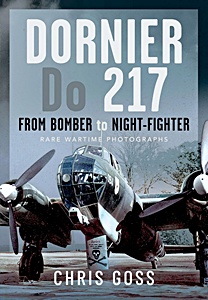
Dornier Do 217 - From Bomber to Night-Fighter: Rare Wartime Photographs

NOWOŚĆ

Ta ilustrowana książka przedstawia rozwój i historię służby Dorniera Do 217, wprowadzonego na początku 1941 roku jako ulepszona wersja Do 17. Pierwszy Do 217E-1 wystartował w październiku 1940 roku, krótko po zakończeniu produkcji Do 17.
Samolot początkowo używano do bombardowań i ataków na żeglugę wokół Wielkiej Brytanii, w tym podczas nalotów Baedekera w 1942 roku. Pozostał głównym niemieckim bombowcem w tym rejonie do końca 1943 roku, kiedy zastąpiły go Me 410 i Ju 188. Ulepszone wersje, Do 217K i M, różniły się głównie silnikami.

Do 217 służył na wszystkich frontach Luftwaffe, choć na froncie wschodnim używano go głównie do nocnego rozpoznania. Był pierwszym samolotem stosującym broń precyzyjną, gdy jednostki KG 100 w lipcu 1943 roku zaatakowały alianckie okręty na Sycylii bombami Fritz X, a w sierpniu użyły Hs 293.

W odpowiedzi na rosnące alianckie naloty nocne powstała wersja nocna Do 217J-1 z dodatkowymi działkami i radarem. Później dodano też działka strzelające w górę. Produkcję zakończono w październiku 1943 roku, a typ szybko się zestarzał.

Szczegóły

Autor:Chris Goss
Wydanie:288 strony, 25 x 17.5 x 2.8 cm, twarda oprawa
Ilustracje:300 czarno-białych zdjęć
Język:angielski
Wydawca:Air World (GB, 2025)
ISBN:9781473883093
Okładka książki: Dornier Do 217 - From Bomber to Night-Fighter: Rare Wartime Photographs | Air World

Dornier Do 217 - From Bomber to Night-Fighter: Rare Wartime Photographs

Język: angielski

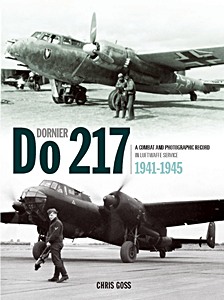
Dornier Do 217 1941-1945: A Combat and Photographic Record in Luftwaffe Service 1941-1945

The Dornier Do 217 represented the refinement of German twin-engined bomber design, a progression from the earlier Do 17. From 1941, the Do 217 became the mainstay of the Luftwaffe's bomber arm in the West, equipping four Gruppen for operations over Britain.
It carried out day and night attacks on British shipping, coastal targets, towns and industrial centres, both in formation and in lone attacks known to the German crews as 'Pirate' operations. These missions, though achieving some success, were undertaken at considerable cost to the crews of the Do 217s, a measure of the strength of opposition it encountered in the RAF's nightfighter squadrons, improved radar and anti-aircraft defences.

As the demand from Germany's battlefronts grew from early 1942, the Do 217, albeit in very limited numbers, was developed into a radar-equipped nightfighter. In the Mediterranean it was used as an effective maritime strike aircraft, launching highly developed stand-off bombs and remotely-controlled glide-bomb weapons in the form of the 'Fritz X' and Hs 293 which accounted for the destruction or damage of several notable warships.
It was also used as a night reconnaissance aircraft on the Eastern Front and over Britain in the Luftwaffe's 1942 'Baedeker Blitz'.

Following extensive research, including interviews and correspondence with former aircrew and their families, renowned Luftwaffe historian, Chris Goss, has documented the operational history of the Do 217 and offers the most comprehensive account so far published in the English language.
The story is complemented by hundreds of rare photographs, many never before published, as well specially commissioned colour artwork.

Szczegóły

Autor:Chris Goss
Wydanie:184 strony, 30.5 x 23 x 2 cm, twarda oprawa
Ilustracje:250+ czarno-białych zdjęć
Język:angielski
Wydawca:Crecy Publishing (GB, 2022)
ISBN:9781906537586
Okładka książki: Dornier Do 217 1941-1945: A Combat and Photographic Record in Luftwaffe Service 1941-1945 | Crecy

Dornier Do 217 1941-1945: A Combat and Photographic Record in Luftwaffe Service 1941-1945

Język: angielski

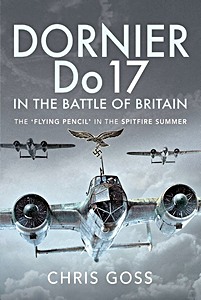
Dornier Do 17 in the Battle of Britain - The 'Flying Pencil' in the Spitfire Summer

Latem 1940 roku, podczas desperackiej walki Wielkiej Brytanii o przetrwanie, Dornier Do 17 odegrał ważną rolę w nalotach, których celem było zneutralizowanie zdolności RAF-u do oporu i woli walki narodu brytyjskiego.
Samolot ten, skonstruowany tak, aby wyprzedzał współczesne mu myśliwce, gdy w 1937 r. wprowadzono go do Luftwaffe, stał się głównym lekkim bombowcem Luftwaffe. Na potrzeby ataku na Wielką Brytanię Do 17 wyposażono trzy eskadry bombowców: KG 2, KG3 i KG77.
Jednak w 1940 roku Do 17 był już niemal przestarzały i ze względu na słabe uzbrojenie obronne padł ofiarą myśliwców Hurricane i Spitfire z Fighter Command.

Jego słabość została w pełni ujawniona 18 sierpnia 1940 r., gdy osiem Dornierów zostało zestrzelonych, a dziewięć uszkodzonych podczas ataków na bazę RAF Kenley, a także 15 wrzesnia - w Dniu Bitwy o Anglię - gdy dwadzieścia zostało zestrzelonych, a trzynaście uszkodzonych.
Tego dnia sierżant Ray Holmes uderzył swoim Hurricane'em w Do-17, który podobno zmierzał w stronę Pałacu Buckingham. Część szczątków bombowca spadła na ziemię w pobliżu dworca Victoria.

W tej kompleksowej dokumentacji fotograficznej bombowca Do 17 rola tego samolotu w okresie Bitwy o Anglię została przedstawiona na podstawie unikalnej kolekcji brytyjskich i niemieckich fotografii autora.
Fotografie te, w połączeniu z relacjami z pierwszej ręki tych, którzy latali i tych, którzy walczyli z Do-17, przywracają tamte rozpaczliwe dni i ciemne noce w sposób, jaki potrafią osiągnąć jedynie współczesne zdjęcia i relacje.

Szczegóły

Autor:Chris Goss
Wydanie:232 strony, 23.5 x 15.5 cm, twarda oprawa
Ilustracje:200 czarno-białych zdjęć
Język:angielski
Wydawca:Pen & Sword Books Ltd (GB, 2021)
ISBN:9781526781208
Okładka książki: Dornier Do 17 in the Battle of Britain - The 'Flying Pencil' in the Spitfire Summer | Pen & Sword

Dornier Do 17 in the Battle of Britain - The 'Flying Pencil' in the Spitfire Summer

Język: angielski

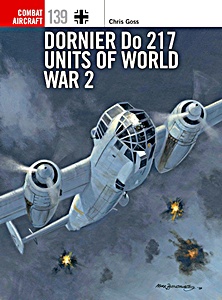
Dornier Do 217 Units of World War 2 (Osprey)

The Do 217 had a much larger bomb load capacity and had considerably greater range than the Do 17, which it replaced in frontline service from mid to late 1941. Although initially used simply as a bomber, later variants were developed to allow the Do 217 to undertake the precision maritime strike role.
In order to perform the latter mission, the Do 217 was modified to launch glide bombs - units employing these pioneering weapons enjoyed some success in the Mediterranean from the autumn of 1943.

During the course of these operations the Do 217 became the first aircraft in military aviation history to deploy a precision-guided bomb in combat in the form of the 'Fritz X' radio-guided, free-fall weapon, which sank the Italian battleship Roma shortly after Italy capitulated in September 1943.
The Do 217 served on all fronts, and was often used on anti-shipping strikes during the Battle of the Atlantic and against the Allied invasion fleet at Normandy. This versatile aircraft was also converted into a nightfighter, seeing action in the Defense of the Reich through to war's end.

This highly illustrated study explores the design and development of the Do 217 and chronicles its use in the frontline as a strategic bomber, launch platform for first generation precision weapons, reconnaissance aircraft and nightfighter, among others.

Szczegóły

Autor:Chris Goss
Wydanie:96 strony, 25 x 18.5 x 0.8 cm, miękka oprawa
Ilustracje:czarno-białych zdjęć, rysunki kolorowe
Język:angielski
Wydawca:Osprey Publishing (GB, 2021)
Seria:Combat Aircraft (139)
ISBN:9781472846174
Okładka książki: Dornier Do 217 Units of World War 2 | Combat Aircraft (139) | Osprey

Dornier Do 217 Units of World War 2

Język: angielski

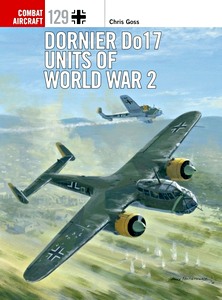
Dornier Do 17 Units of World War 2 (Osprey)

Initially designed as a high-speed mail aeroplane and airliner, the Do 17 first made an appearance as a military aircraft in the Spanish Civil War, both as a bomber and in reconnaissance roles.
In the early stages of World War II, it, together with the Heinkel He 111, formed the backbone of the German bomber arm over Poland, France, Belgium and the Low Countries, and saw action in almost every major campaign in this period.

However, by the start of the Battle of Britain, the Do 17's limited range and small bomb load meant that it was ripe for replacement by the Ju 88. Though it performed well at lower altitudes, the model suffered heavy losses during raids, particularly during the Blitz and were increasingly phased out.

This fully illustrated study uses detailed full-colour artwork and authoritative text from an expert author to tell the full operation story of one of Germany's best light bombers from the early years of World War II.

Szczegóły

Autor:Chris Goss
Wydanie:96 strony, 24.5 x 18.5 x 0.8 cm, miękka oprawa
Ilustracje:70 czarno-białych i kolorowych zdjęć
Język:angielski
Wydawca:Osprey Publishing (GB, 2019)
Seria:Combat Aircraft (129)
ISBN:9781472829634
Okładka książki: Dornier Do 17 Units of World War 2 | Combat Aircraft (129) | Osprey

Dornier Do 17 Units of World War 2

Język: angielski

Dornier Do 335 (Osprey)

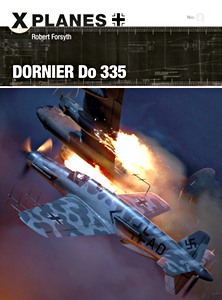
Dornier Do 335 został zaprojektowany jako szybki myśliwiec przystosowany do walki w każdych warunkach atmosferycznych i stanowił szczytowe osiągnięcie konstrukcji samolotów z silnikiem tłokowym.
Do 335 był dużym samolotem, ważącym nieco ponad 10 000 kg z paliwem, wyposażeniem i pilotem, a mimo to napędzanym dwoma silnikami Daimler-Benz DB 603. Mógł osiągnąć maksymalną prędkość 750 km/h na wysokości 6400 metrów, co czyniło go najszybszym samolotem z silnikiem tłokowym wyprodukowanym w Niemczech w czasie II wojny światowej.

Około czterdziestu samolotów zbudowano między końcem 1943 r. a końcem wojny. Planowano, że będą one pełnić funkcję myśliwca dziennego, bombowca, myśliwca nocnego, myśliwca przechwytującego w złych warunkach pogodowych oraz samolotu rozpoznawczego. Wszystkie te maszyny miały być wyposażone w najnowocześniejsze uzbrojenie, celowniki bombowe, urządzenia łączności i radary, a także fotel wyrzucany.

W książce zaprezentowano archiwalne zdjęcia i specjalnie zamówione dzieła sztuki. Przedstawiono w niej pełną historię samolotu, który według nadziei Luftwaffe miał zmienić losy wojny.

Szczegóły

Autor:Robert Forsyth
Wydanie:80 strony, 24.5 x 18.5 x 0.8 cm, miękka oprawa
Ilustracje:bogato ilustrowane, zdjęcia czarno-białe i kolorowe
Język:angielski
Wydawca:Osprey Publishing (GB, 2018)
Seria:X-Planes (9)
ISBN:9781472828897
Okładka książki: Dornier Do 335 | X-Planes (9) | Osprey

Dornier Do 335

Język: angielski

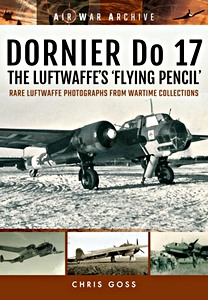
Dornier Do 17 the Luftwaffe's 'Flying Pencil' : Rare Luftwaffe Photographs from Wartime Collections (Air War Archive)

For the first three years of the Second World War, the Dornier Do 17 was the Luftwaffe's principal light bomber. Designed to be fast enough to outrun contemporary fighter aircraft, the Dornier helped to spearhead Germany's Blitzkrieg as Hitler's armies raced through Poland and then France and the Low Countries.

Until its withdrawal to secondary duties in 1941, the Dornier Do 17 served in every theatre of war involving German forces. This included the invasion of the Balkans and Greece as well as the battle to capture Crete. After suffering heavy losses at the hands of Fighter Command in the Battle of Britain, the Do 17 was employed in Operation Barbarossa, the invasion of the Soviet Union in 1941.

The Do 17 was withdrawn from frontline service later in 1941 but continued to be used by the German Air Force in various roles until the end of the war, including seeing service as a glider tug and in the defence of the Reich in 1944 as a night fighter.

In this compilation of unrivalled images collected over many years, and now part of Frontline's new War in the Air series, the widespread deployment of the Dornier Do 17 is portrayed and brought to life.

Szczegóły

Autor:Chris Goss
Wydanie:128 strony, 24.5 x 19 cm, miękka oprawa
Ilustracje:200 czarno-białych zdjęć
Język:angielski
Wydawca:Frontline Books (GB, 2016)
ISBN:9781848324718
Okładka książki: Dornier Do 17 the Luftwaffe's 'Flying Pencil' : Rare Luftwaffe Photographs from Wartime Collections | Frontline

Dornier Do 17 the Luftwaffe's 'Flying Pencil' : Rare Luftwaffe Photographs from Wartime Collections

Język: angielski

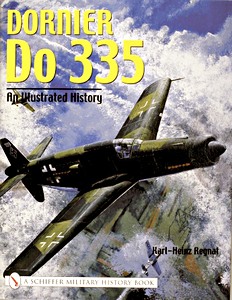
Dornier Do 335 : An Illustrated History

The Do 335 was developed by Dornier as a heavy fighter in 1943. One of the last high-performance piston-engined aircraft designed, the Do 335 was powered by tandem fore-aft engines, a concept proven in numerous Dornier flying boats. As a result of this configuration, drag was reduced to little more than that of a single-engined aircraft, enabling the Do 335 to achieve very high speeds.
The Do 335 represented the apex of propeller-driven aircraft in the Second World War.

This is the first comprehensive, well-illustrated documentation on the Do 335, one of the milestones in German aviation history.

Szczegóły

Autor:Karl-Heinz Regnat
Wydanie:216 strony, 28.5 x 22.5 x 2.2 cm, twarda oprawa
Ilustracje:240+ zdjęcia czarno-białe i kolorowe
Język:angielski
Wydawca:Schiffer Publishing Ltd (USA, 2004)
ISBN:9780764318726
Okładka książki: Dornier Do 335 : An Illustrated History | Schiffer

Dornier Do 335 : An Illustrated History

Język: angielski

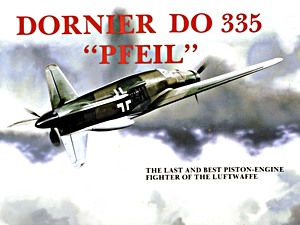
Dornier Do 335 'Pfeil' - The Last and Best Piston-engine Fighter of the Luftwaffe

A book dedicated to the Dornier Do 335 Pfeil. This late WWII aircraft was the fastest piston engine fighter of the war.

Szczegóły

Autor:Heinz J. Nowarra
Wydanie:48 strony, 20.5 x 24.5 x 0.3 cm, miękka oprawa
Ilustracje:ponad 80 czarno-białych zdjęć, rysunki
Język:angielski
Wydawca:Schiffer Publishing Ltd (USA, 2004)
ISBN:9780887401893
Okładka książki: Dornier Do 335 'Pfeil' - The Last and Best Piston-engine Fighter of the Luftwaffe | Schiffer

Dornier Do 335 'Pfeil' - The Last and Best Piston-engine Fighter of the Luftwaffe

Język: angielski

Więcej książek o Dornier:

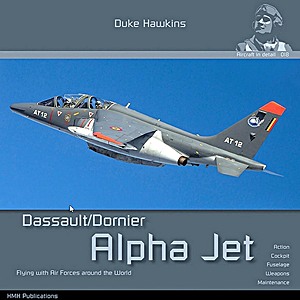
Okładka książki: Dassault / Dornier Alpha Jet: Flying with air forces around the world | Aircraft in Detail (18)

Dassault / Dornier Alpha Jet: Flying with air forces around the world

Robert Pied, Nicolas Deboeck | angielski | miękka oprawa | 116 str. | 2021

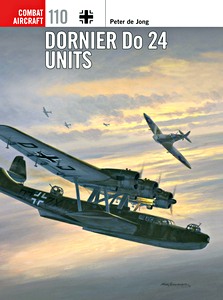
Okładka książki: Dornier Do 24 Units | Combat Aircraft (110)

Dornier Do 24 Units

Peter de Jong | angielski | miękka oprawa | 96 str. | 2015

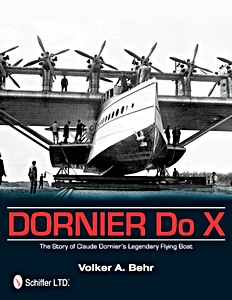
Okładka książki: Dornier Do X - The Story of Claude Dornier's Legendary Flying Boat

Dornier Do X - The Story of Claude Dornier's Legendary Flying Boat

Volker A. Behr | angielski | twarda oprawa | 232 str. | 2013

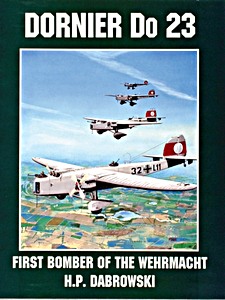
Okładka książki: Dornier Do 23 - First Bomber of the Wehrmacht

Dornier Do 23 - First Bomber of the Wehrmacht

Hans Peter Dabrowski | angielski | miękka oprawa | 48 str. | 2004

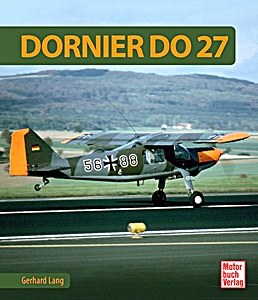
Okładka książki: Dornier Do 27 | Flugzeugtypen

Dornier Do 27

Gerhard Lang | niemiecki | twarda oprawa | 224 str. | 2021

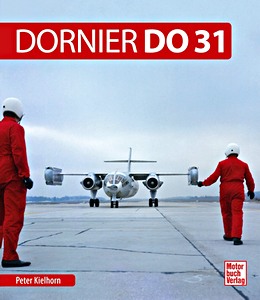
Okładka książki: Dornier Do 31 | Flugzeugtypen

Dornier Do 31

Peter Kielhorn | niemiecki | twarda oprawa | 240 str. | 2018

Okładka książki: Flugzeiten: Aus dem Leben und Werk meines Vaters, Claude Dornier

Flugzeiten: Aus dem Leben und Werk meines Vaters, Claude Dornier

Silvius Dornier | niemiecki | twarda oprawa | 1240 str. | 2015

Okładka książki: Dornier Wal - de eerste grote zeeverkenner van de Marine Luchtvaartdienst

Dornier Wal - de eerste grote zeeverkenner van de Marine Luchtvaartdienst

Nico Geldhof | holenderski | twarda oprawa | 352 str. | 2014