Żegluga - USA: książki - historia i statki

Szukasz książki o amerykańskiej żegludze? Znajdziesz tu książki o historii, portach, firmach spedycyjnych, typach i budowie statków ze Stanów Zjednoczonych.

Niezależne rekomendacje książek! Zakupy przez nasze linki wspierają nas bez dodatkowych kosztów dla Ciebie. Więcej informacji >

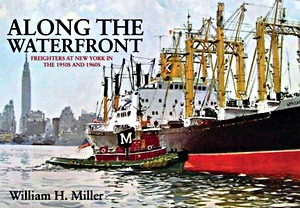
Along the Waterfront - Freighters at New York in the 1950s and 1960s

Film Na nabrzeżach z 1954 r. przywrócił do życia nowojorskie doki lat 50. XX w., kiedy to często powtarzano, że jakiś statek, zazwyczaj frachtowiec, przypływał i odpływał co 24 minuty, przez całą dobę.
Obecnie w porcie w Nowym Jorku obsługuje się więcej ładunków niż kiedykolwiek wcześniej, jednak wszystkie są przewożone w kontenerach.

"Along the Waterfront", będący kontynuacją "Along the Hudson" (w którym omówiono statki pasażerskie w porcie w Nowym Jorku), omawia ogromną i fascynującą flotę frachtowców, które kiedyś zawijały do Nowego Jorku, w tym statki i firmy, którym nie udało się przetrwać, takie jak Bull Line, Standard Fruit, Torm Lines i Booth Steamship Company.
W tej książce William H. Miller zabiera czytelnika w sugestywną podróż do czasów nowojorskich doków, tak jak zostały przedstawione w książce Na nabrzeżach.

Szczegóły

Autor:William H. Miller
Wydanie:128 stron, 17 x 24.5 cm, miękka oprawa
Ilustracje:160 fotografii
Język:angielski
Wydawca:Amberley Publishing (GB, 2016)
ISBN:9781445654089
Okładka książki: Along the Waterfront - Freighters at New York in the 1950s and 1960s | Amberley

Along the Waterfront - Freighters at New York in the 1950s and 1960s

Język: angielski

Sprawdź cenę i dostępność:

Commercial Ships of the Great Lakes: A Photo Gallery

Przez pięć Wielkich Jezior przetransportowano miliony ton ładunków, dostarczając produkty i towary ze stanów Środkowego Zachodu i kanadyjskich prowincji na rynki całego świata.
Znana ze swoich unikalnych operacji handlowych, żegluga na Wielkich Jeziorach zawsze opierała się na tradycyjnych rozwiązaniach, takich jak holowniki jednośrubowe, napęd parowy oraz niezwykle utalentowani inżynierowie i kapitanowie, którzy potrafią manewrować statkami w ciasnych przestrzeniach i na krętych rzekach. Jednak czasy na Wielkich Jeziorach się zmieniają, a te zmiany zwiastują koniec pewnej epoki.

To historia wspaniałej ery żeglugi na Wielkich Jeziorach. Ponad 300 ostrych, czarno-białych, historycznych i współczesnych zdjęć zabiera nas na pokłady ciężko pracujących statków, które otworzyły Amerykę i Kanadę na świat.
"Commercial Ships on the Great Lakes" oferuje kompleksowy przegląd tych wspaniałych statków, obejmujący wszystko, od najmniejszych holowników, barek, barek pasażerskich i roboczych, po gigantyczne rudowęglowce. Znajdują się tam również statki zesłane na złomowisko oraz inne, które zostały wskrzeszone jako muzea, kutry rybackie i statki pasażerskie.

Szczegóły

Autor:Franz A. VonReidel
Wydanie:160 stron, 28 x 21.5 x 1.3 cm, twarda oprawa
Ilustracje:350 czarno-białych zdjęć
Język:angielski
Wydawca:Iconografix (USA, 2005)
ISBN:9781583881538
Okładka książki: Commercial Ships of the Great Lakes: A Photo Gallery | Iconografix

Commercial Ships of the Great Lakes: A Photo Gallery

Język: angielski

Sprawdź cenę i dostępność:

Great Lakes Shipping: Ports & Cargoes Photo Gallery

Over 163 million net tons of cargo are moved each year on the Great Lakes in the holds of a vast fleet of ships. View first-hand how cargoes are loaded at the grain terminals of Thunder Bay, the ore docks of Minnesota's north shore, or the sprawling Midwest Energy coal dock in Superior.
See where these giant ships and cargoes go "down below" on the infamous Cuyahoga River, the Ford Plant on Detroit's Rouge River, or inside the heart of the famous U.S. Steel Works in Gary, Indiana.

The photographs in this book bring you a slice of industrial America rarely seen by the general public. These images, contemporary and historic, will take you to all of the primary loading and unloading ports from Lake Superior to Lake Erie.

Szczegóły

Autor:Patrick D. Lapinski
Wydanie:160 stron, 28 x 21.5 x 1.3 cm, miękka oprawa
Ilustracje:315 czarno-białych i kolorowych zdjęć
Język:angielski
Wydawca:Iconografix (USA, 2009)
ISBN:9781583882382
Okładka książki: Great Lakes Shipping: Ports & Cargoes Photo Gallery | Iconografix

Great Lakes Shipping: Ports & Cargoes Photo Gallery

Język: angielski

Sprawdź cenę i dostępność:

Liberty Factory : The Untold Story of Henry Kaiser's Oregon Shipyards

Churchill słynnie twierdził, że jedyną rzeczą, która naprawdę go przerażała podczas wojny, była Bitwa o Atlantyk. Utrzymanie otwartej linii między amerykańskim "arsenalem demokracji" a Wielką Brytanią było kluczowe dla przygotowań do inwazji na Europę, a ostatecznie sprowadzało się do budowy statków handlowych szybciej, niż niemieckie okręty podwodne były w stanie je zatopić.
Kluczowe dla tego osiągnięcia było stworzenie "statku wolności", prostego frachtowca, który można było szybko zbudować, w połączeniu z niewykorzystanym potencjałem przemysłowym Stanów Zjednoczonych, które mogły budować go w ogromnych ilościach.

Niewątpliwie najważniejszą osobą w szybkim rozwoju potencjału stoczniowego USA w czasie wojny był Henry Kaiser, człowiek bez wcześniejszego doświadczenia w budowie statków, ale przedsiębiorca z wizją i zapałem. Ta książka opowiada historię o tym, jak założył ogromne nowe stocznie, wykorzystując nowatorskie techniki produkcji masowej, w najbardziej zaskakującym miejscu - Oregonie, jednym z najsłabiej rozwiniętych przemysłowo obszarów USA, pozbawionym wykwalifikowanej siły roboczej, z której można by czerpać.

Ale nie tylko stocznie były rewolucyjne, ponieważ firmy Kaisera zapewniały mieszkania, opiekę zdrowotną i świadczenia socjalne, co przyciągało pracowników z całego kraju, w tym kobiety, które po raz pierwszy zostały zrekrutowane do pracy w przemyśle.
Dzięki tej zmotywowanej załodze stocznie Kaiser stały się najwydajniejszymi stoczniami w kraju. Łącznie stocznie Kaiser w Oregonie zbudowały ponad 450 okrętów "Liberties" i kolejnych "Victory" - w tym jeden w rekordowym czasie 10 dni - a także około 150 tankowców, około 50 lotniskowców eskortowych i niezliczone okręty desantowe.
Co ciekawe, to naprawdę niezwykłe osiągnięcie, mające ogromne znaczenie dla ostatecznego zwycięstwa aliantów, zostało zepchnięte do marginesu historii, ale w tej książce po raz pierwszy zostało w pełni udokumentowane i upamiętnione.

Szczegóły

Autor:Peter J Marsh
Wydanie:192 stron, 26 x 21.5 x 3.2 cm, twarda oprawa
Ilustracje:200 czarno-białych zdjęć
Język:angielski
Wydawca:Seaforth Publishing (GB, 2020)
ISBN:9781526783059
Okładka książki: Liberty Factory : The Untold Story of Henry Kaiser's Oregon Shipyards | Seaforth

Liberty Factory : The Untold Story of Henry Kaiser's Oregon Shipyards

Język: angielski

Sprawdź cenę i dostępność:

Liberty Ships: America's Merchant Marine Transport in World War II (Legends of Warfare)

Choć nie były to bronie w tradycyjnym rozumieniu tego słowa, prawdopodobnie żaden inny przedmiot w arsenale aliantów nie przyczynił się w tak dużym stopniu do pokonania państw Osi podczas II wojny światowej, jak okręty typu Liberty. 2710 okrętów typu Liberty wprowadzonych do służby w latach 1941-1945 stanowiło istotne ogniwo w łańcuchu dostaw nie tylko dla sił USA, ale także dla sił alianckich podczas II wojny światowej.

Chociaż sam podstawowy projekt był przestarzały, zanim jeszcze pierwszy egzemplarz trafił w ręce stoczni, miał on tę zaletę, że był stosunkowo łatwy w produkcji oraz obsłudze i konserwacji. W związku z tym statki były produkowane masowo przez aż osiemnaście stoczni. Czas budowy, początkowo 244 dni, skrócił się do czterdziestu dwóch dni na jednostkę, chociaż w ramach chwytu reklamowego "Robert E. Peary" został zwodowany cztery dni i piętnaście i pół godziny po położeniu stępki.

Szczegóły

Autor:David Doyle
Wydanie:128 stron, 23 x 23 x 1.8 cm, twarda oprawa
Ilustracje:295 czarno-białych i kolorowych zdjęć
Język:angielski
Wydawca:Schiffer Publishing Ltd (USA, 2020)
Seria:Legends of Warfare
ISBN:9780764359590
Okładka książki: Liberty Ships: America's Merchant Marine Transport in World War II | Legends of Warfare | Schiffer

Liberty Ships: America's Merchant Marine Transport in World War II

Język: angielski

Sprawdź cenę i dostępność:
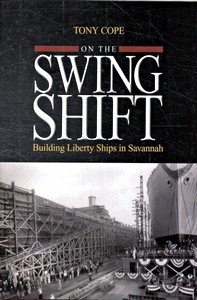
On the Swing Shift - Building Liberty Ships in Savannah

During World War II eighty-eight of the almost three thousand Liberty ships built in America were launched in Savannah, Georgia. Without Liberty ships, the Battle of the Atlantic might have been lost.
Few remember the Liberty ships today; fewer remember the shipyard or that the Southeastern Shipbuilding Corporation was the largest industry ever located there. The land on which this shipyard stood is now derelict. Thousands drive by it every day and have no idea of the great contribution to the war effort that was made on that site.

This social history tells the story of the men and women who built these merchant ships in Savannah. Most came from rural areas and had never seen a ship, much less built one. Their work was dangerous and boring, but many worked double shifts, nights, and seven days a week.
There were 45,000 of them during the four years of the shipyard's existence, and in spite of all of the problems faced, they built ships and built them well.

Cope makes use of more than 120 taped interviews with shipyard workers, merchant seamen, dock workers, and Navy and Coast Guard personnel, as well as letters and official documents, to present an authentic and moving record of the working conditions and lives of those who built the Liberty ships in the shipyards of Savannah.

Szczegóły

Autor:Tony Cope
Wydanie:288 stron, 23.5 x 16 x 1.3 cm, twarda oprawa
Ilustracje:ilustrowany
Język:angielski
Wydawca:Naval Institute Press (USA, 2009)
ISBN:9781591141235
Okładka książki: On the Swing Shift - Building Liberty Ships in Savannah | Naval Institute

On the Swing Shift - Building Liberty Ships in Savannah

Język: angielski

Sprawdź cenę i dostępność:

Ships of the Great Lakes: An Inside Look at the World's Largest Inland Fleet

Is working on ships, sailing or tugging through the sea-like waters of the Great Lakes something you've imagined yourself doing? Whether it's your dream job or an area of interest, it is no easy task and takes a full crew to power the 1000-footers, steamers, tugs, Seaway and river class vessels.

Lapinski gets close and personal with ship-life, from the captain to the cook, from the inner workings of the engine department to the intricacies of navigation, from the work it takes to load and unload large masses of material, to keeping the ships in tip-top shape around the clock during the busy shipping season.
A huge variety of ships, a huge variety of jobs, and an even bigger cross section of people, all have helped make the lives of Americans a little easier by bringing in or out the goods through the Great Lakes.

Szczegóły

Autor:Patrick D. Lapinski
Wydanie:128 stron, 28 x 21.5 x 1 cm, miękka oprawa
Ilustracje:366 fotografii
Język:angielski
Wydawca:Iconografix (USA, 2011)
ISBN:9781583882801
Okładka książki: Ships of the Great Lakes: An Inside Look at the World's Largest Inland Fleet | Iconografix

Ships of the Great Lakes: An Inside Look at the World's Largest Inland Fleet

Język: angielski

Sprawdź cenę i dostępność:

The Masting of American Merchant Sail in the 1850s : An Illustrated Study

This book describes the intricacies of the construction and fabrication more than 150 years ago of masts and yards installed in American merchant vessels, particularly those spars which were "built" or composed of multiple pieces bound together by iron bands. These were referred to as "made" spars as opposed to spars constructed from a single tree. It also contains instructions for developing the shape and proportions of various spars.

Very little information is available on this subject. Generally, the external sizes of individual spars can be found but intimate details are sorely neglected. In addition, the book includes the spacing and location of masts in a ship, and the rake, and it discusses the types of wood that are most desirable in the construction of spars.

Before his retirement in 1972, William L. Crothers worked as a draftsman in the design division of the Philadelphia Navy Yard. He is also the author of books on the construction of American clipper ships American packets and freighters of the 1850s.

Szczegóły

Autor:William L. Crothers
Wydanie:188 stron, 27.5 x 21.5 x 1.3 cm, miękka oprawa
Ilustracje:57 rysunki
Język:angielski
Wydawca:McFarland & Co Inc (USA, 2014)
ISBN:9780786493999
Okładka książki: The Masting of American Merchant Sail in the 1850s : An Illustrated Study | McFarland

The Masting of American Merchant Sail in the 1850s : An Illustrated Study

Język: angielski

Sprawdź cenę i dostępność:

Tugboats of the Great Lakes Photo Gallery

From the early days of commercial navigation on the waterways of the Great Lakes, tugboats have been needed to guide the ships in and out of the newly constructed ports. As the ships progressed from wooden schooners to large steel steamships, the tugboat also grew in size.

This book takes an in-depth look into the ancient practices of Great Lakes ice-breaking, ship assistance, and towing. At the turn of the century, the towing industry changed forever with the consolidation of fleets and the design of the low-profile powerful steam ship-docking tug. This "G-Tug" design has become known all around the world and these same 80-year old tugs are still the primary workhorse in most harbors on the Lakes today.

Many other designs, unique to the fresh waters of the Great Lakes, are profiled in this book. The severe climate of the Great Lakes region is brutal on the equipment and the tugs are built tough, for heavy ice breaking. A new class of powerful Coast Guard ice-breaking tugs came out in the 1940s. Today, many of these "WYTM" class tugs survive in commercial service on the Lakes. The Lakes have always been home to a large fleet of U.S. Army Corps of Engineers tugs. Additionally, U.S. Army auctions have brought many government-class tugs such as LT's, ST's, and DPC's to the Lakes in the hands of private and commercial operators. In the rivers that feed the busy port of Chicago and all throughout New York State on the Erie Canal, a rare species of tug can be found, the famous "canallers", which are also featured in this volume.

Szczegóły

Autor:Franz A. VonReidel
Wydanie:160 stron, 28 x 21.5 x 1.3 cm, miękka oprawa
Ilustracje:365 czarno-białych zdjęć
Język:angielski
Wydawca:Iconografix (USA, 2007)
ISBN:9781583881927
Okładka książki: Tugboats of the Great Lakes | Iconografix

Tugboats of the Great Lakes

Język: angielski

Sprawdź cenę i dostępność:
Inne książki z tej kategorii:

Okładka książki: SS United States - Red, white, and blue riband, forever

SS United States - Red, white, and blue riband, forever

John Maxtone-Graham | angielski | twarda oprawa | 240 str. | 2014

Okładka książki: Great American Passenger Ships

Great American Passenger Ships

William H. Miller | angielski | miękka oprawa | 96 str. | 2012

Okładka książki: America's Postwar Luxury Liners

America's Postwar Luxury Liners

John A. Fostik | angielski | miękka oprawa | 126 str. | 2011