Cacciatorpediniere - Gran Bretagna: libri di storia illustrati

Un libro sui cacciatorpediniere della Royal Navy? Qui trovi i libri sulla storia e i tipi dei cacciatorpediniere britannici.

Consigli di lettura indipendenti! Acquisti effettuati tramite i nostri link sostengono il nostro lavoro, senza alcun costo aggiuntivo per te. Per saperne di più >

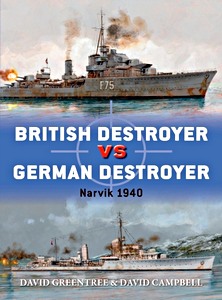
British Destroyer vs German Destroyer : Narvik 1940 (Osprey)

Nei primi mesi della Seconda Guerra Mondiale, la Royal Navy britannica si trovò ad affrontare una marina tedesca rinvigorita, la Kriegsmarine. In seguito all'invasione tedesca della Danimarca e della Norvegia all'inizio di aprile del 1940, i cacciatorpediniere britannici e tedeschi si scontrarono in una serie di battaglie per il controllo delle coste norvegesi.
L'ambiente operativo era particolarmente impegnativo, con gli equipaggi dei cacciatorpediniere che dovevano fare i conti con condizioni meteorologiche variabili, stretti tratti di costa e la possibilità di nebbia e guasti alle navi.

In due scontri a Narvik, la Royal Navy entrò nel porto e attaccò i cacciatorpediniere tedeschi che stazionavano lì, dopo aver sbarcato truppe di montagna a supporto dell'invasione tedesca. I raid furono devastanti, dimezzando in un colpo solo il numero di uomini a disposizione di Hitler.

Avvalendosi di illustrazioni realizzate appositamente e attingendo a una vasta gamma di fonti, questo avvincente studio ripercorre l'evoluzione tecnologica e tattica impiegata dalle forze di cacciatorpediniere britanniche e tedesche, e valuta l'impatto degli scontri di Narvik sul successivo sviluppo e impiego dei cacciatorpediniere da parte di entrambe le parti in una varietà di ruoli negli oceani del mondo.

Dettagli del libro

Autore:David Greentree
Formato:80 pagine, 25 x 18.5 cm, brossura
Illustrazioni:riccamente illustrato con foto in B&N e in colori
Lingua:inglese
Editore:Osprey Publishing (GB, 2018)
Collana:Duel (88)
ISBN:9781472828583
Copertina del libro: British Destroyer vs German Destroyer : Narvik 1940 | Duel (88) | Osprey

British Destroyer vs German Destroyer : Narvik 1940

Lingua: inglese

Prezzo e disponibilità sono indicati dal venditore

British Destroyers - From Earliest Days to the Second World War

In the late 19th century the advent of the modern torpedo woke the Royal Navy to a potent threat to its domination, not seriously challenged since Trafalgar. For the first time a relatively cheap weapon had the potential to sink the largest, and costliest exponents of sea power. Not surprisingly, Britain's traditional rivals invested heavily in the new technology that promised to overthrow the naval status quo.

The Royal Navy was also quick to adopt the new weapon, but the British concentrated on developing counters to the essentially offensive tactics associated with torpedo-carrying small craft. From these efforts came 'torpedo catchers', torpedo-gunboats and eventually the torpedo-boat destroyer, a type so successful that it eclipsed and the usurped the torpedo-boat itself. With its title shortened to 'destroyer', the type evolved rapidly and was soon in service in many navies, but in none was the evolution as rapid or as radical as in the Royal Navy

This book is the first detailed study of their early days, combining technical history with an appreciation of the changing role of destroyers and the tactics of their deployment. Like all of Friedman's books, it reveals the rationale and not just the process of important technological developments.

Dettagli del libro

Autore:Norman Friedman
Formato:320 pagine, 29.5 x 25.5 x 2.6 cm, copertina rigida
Illustrazioni:300 illustrazioni in B&N
Lingua:inglese
Editore:Seaforth Publishing (GB, 2009)
ISBN:9781848320499
Copertina del libro: British Destroyers - From Earliest Days to the Second World War | Seaforth

British Destroyers - From Earliest Days to the Second World War

Lingua: inglese

Prezzo e disponibilità sono indicati dal venditore
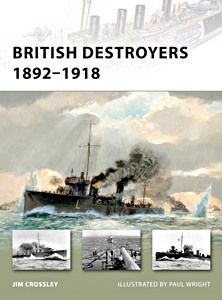
British Destroyers 1892-1918 (Osprey)

Presents the history of the first destroyers of the Royal Navy, which revolutionized the way war was fought at sea with new armaments and a great improvement on earlier designs. Moreover, between 1892, when the first destroyers were laid down, and 1918, destroyers evolved radically from 27-knot, 250-ton ships into 35-knot, 1,530-ton ships.

All these ships were involved in some form during World War I; the smaller, original destroyers in an auxiliary support role and the newer, larger destroyers at some of the greatest sea battles of the war.

This account highlights the role the destroyers played in the North Sea during the crucial battles to control the Heliogoland Bight, as well as the major fleet action at the battle of Jutland in 1916.
Complete with a detailed description of the technical evolution of each class of destroyer from the 27-knotters to the Tribal and Marksman classes, Jim Crossley offers a complete overview of the vessels that helped to maintain Britain's naval supremacy.

Dettagli del libro

Autore:Jim Crossley
Formato:48 pagine, 25 x 18.5 x 0.5 cm, brossura
Illustrazioni:riccamente illustrato con foto e disegni (in B&N e in colori)
Lingua:inglese
Editore:Osprey Publishing (GB, 2009)
Collana:New Vanguard (163)
ISBN:9781846035142
Copertina del libro: British Destroyers 1892-1918 | New Vanguard (163) | Osprey

British Destroyers 1892-1918

Lingua: inglese

Prezzo e disponibilità sono indicati dal venditore
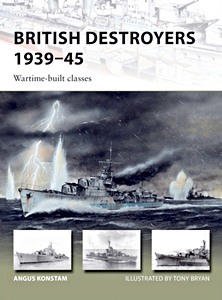
British Destroyers 1939-45 - Wartime-built classes (Osprey)

Con l'incombere della possibilità di una guerra negli anni '30, l'Ammiragliato britannico cercò di modernizzare la propria flotta di cacciatorpediniere per competere con le nuove navi costruite da Germania e Giappone, il che portò alla messa in servizio delle potenti unità della classe Tribal.
A queste seguì la progettazione delle prime di diverse navi leggermente più piccole, che avevano meno cannoni delle Tribal, ma erano armate con un arsenale di siluri notevolmente più ampio.

La prima di queste, la classe 'J/K/M', fu seguita da una serie di varianti belliche, con lievi modifiche all'armamento per adattarsi ai diversi ruoli in tempo di guerra.

Progettati per combattere navi da guerra di superficie, aerei e sottomarini nemici, questi cacciatorpediniere furono costruiti dagli inglesi per affrontare qualsiasi minaccia il nemico potesse scagliare contro di loro.

Attraverso una raccolta di fotografie contemporanee e splendide illustrazioni a colori, questo è un nuovo e affascinante studio sulle navi che costituirono la spina dorsale della Royal Navy durante la Seconda Guerra Mondiale.

Dettagli del libro

Autore:Angus Konstam
Formato:48 pagine, 25 x 18.5 x 0.5 cm, brossura
Illustrazioni:riccamente illustrato con foto in B&N e in colori
Lingua:inglese
Editore:Osprey Publishing (GB, 2017)
Collana:New Vanguard (253)
ISBN:9781472825803
Copertina del libro: British Destroyers 1939-45 - Wartime-built classes | New Vanguard (253) | Osprey

British Destroyers 1939-45 - Wartime-built classes

Lingua: inglese

Prezzo e disponibilità sono indicati dal venditore
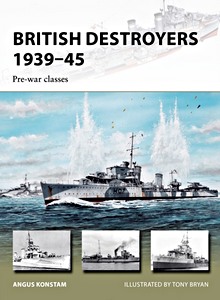
British Destroyers 1939-45 : Pre-war classes (Osprey)

La Royal Navy entrò nella Seconda Guerra Mondiale con una flotta di cacciatorpediniere numerosa ma eterogenea. Alcuni di questi erano veterani della Prima Guerra Mondiale, adatti solo a compiti di scorta. La maggior parte, tuttavia, era stata costruita nel periodo tra le due guerre ed era considerata affidabile e versatile.

Il pericolo, tuttavia, incombeva sui mari, poiché i nuovi cacciatorpediniere in costruzione in Germania, Italia e Giappone erano più grandi e meglio corazzati. Pertanto, fino a quando i nuovi e più grandi cacciatorpediniere di classe Tribal non fossero entrati in servizio, queste navi avrebbero dovuto presidiare la linea difensiva. Utilizzate principalmente per la caccia ai sottomarini, la protezione dei convogli dagli attacchi aerei e l'eliminazione di altri cacciatorpediniere, queste navi prestarono servizio in tutto il mondo durante la guerra.

Questo studio riccamente illustrato è il primo di una serie in due parti dedicata alle vere e proprie navi da guerra della Royal Navy, e si concentra su come queste imbarcazioni ormai datate affrontarono le formidabili marine delle potenze dell'Asse.

Dettagli del libro

Autore:Angus Konstam
Formato:48 pagine, 25 x 18.5 x 0.8 cm, brossura
Illustrazioni:30 foto in B&N e 10 in colori
Lingua:inglese
Editore:Osprey Publishing (GB, 2017)
Collana:New Vanguard (246)
ISBN:9781472816368
Copertina del libro: British Destroyers 1939-45 : Pre-war classes | New Vanguard (246) | Osprey

British Destroyers 1939-45 : Pre-war classes

Lingua: inglese

Prezzo e disponibilità sono indicati dal venditore

British Destroyers and Frigates : The Second World War and After

Since the Second World War the old categories of British destroyer and frigate have tended to merge, a process that this book traces back to the radically different Tribal class destroyers of 1936.
It deals with the development of all the modern destroyer classes that fought the war, looks at the emergency programmes that produced vast numbers of trade protection vessels - sloops, corvettes and frigates - then analyses the pressures that shaped the post-war fleet, and continued to dominate design down to recent years.

Written by America's leading authority, it is an objective but sympathetic view of the difficult economic and political environment in which British designers had to work, and benefits from the author's ability to compare and contrast the US Navy's experience.

Norman Friedman is renowned for his ability to explain the policy and strategy changes that drive design decisions, and his latest book uses previously unpublished material to draw a new and convincing picture of British naval policy over the previous seventy years and more. Hugely successful with enthusiasts and professionals alike from its first publication in 2006, this paperback is the book's third printing.

Dettagli del libro

Autore:Norman Friedman
Formato:352 pagine, 29 x 24.5 cm, brossura
Illustrazioni:200+ foto in B&N, viste di profilo
Lingua:inglese
Editore:Pen & Sword Books Ltd (GB, 2017)
ISBN:9781526702821
Copertina del libro: British Destroyers and Frigates : The Second World War and After | Pen & Sword

British Destroyers and Frigates : The Second World War and After

Lingua: inglese

Prezzo e disponibilità sono indicati dal venditore

British Guided Missile Destroyers : County-Class, Type 82, Type 42 and Type 45 (Osprey)

Negli anni successivi alla Seconda Guerra Mondiale, le nuove tecnologie missilistiche guidate offrirono alle navi di superficie la possibilità di distruggere le minacce aeree da lontano, preservando così il loro ruolo nella guerra navale.

Questo libro esamina la tecnologia e le prestazioni in combattimento dei cacciatorpediniere britannici dotati di missili guidati nell'arco di mezzo secolo. Uniche tra i cacciatorpediniere moderni, tre di queste classi sono state messe alla prova in battaglia contro gli aerei e i missili di un'altra marina moderna - nella guerra delle Falkland - oltre ad essere state impiegate durante la guerra del Golfo.

Scritto da un esperto di tecnologia navale britannica, questo libro analizza l'evoluzione tecnologica dei cacciatorpediniere della Royal Navy nell'arco di mezzo secolo, includendo un esame della nave da guerra più recente e performante della Royal Navy, la Type 45.

Indice: Introduzione: la minaccia aerea marittima e il missile difensivo - I cacciatorpediniere della classe County - Il cacciatorpediniere Tipo 82: HMS Bristol - Il Tipo 42: cacciatorpediniere della classe Sheffield - Il Tipo 45: cacciatorpediniere della classe Daring - Servizio operativo - Conclusione - Bibliografia - Indice analitico.

Dettagli del libro

Autore:Edward Hampshire, Paul Wright
Formato:48 pagine, 25 x 18.5 x 0.5 cm, brossura
Illustrazioni:20 foto in B&N e 27 in colori
Lingua:inglese
Editore:Osprey Publishing (GB, 2016)
Collana:New Vanguard (234)
ISBN:9781472811165
Copertina del libro: British Guided Missile Destroyers : County-Class, Type 82, Type 42 and Type 45 | New Vanguard (234) | Osprey

British Guided Missile Destroyers : County-Class, Type 82, Type 42 and Type 45

Lingua: inglese

Prezzo e disponibilità sono indicati dal venditore

HMS Bristol: In a class of her own

The Type 82 Destroyer HMS Bristol was born in a blaze of glory as lead ship in a proposed class of four - designed to escort a new generation of super carriers for the Royal Navy. The carriers never materialised and neither did the other Type 82s, leaving Bristol literally in a class of her own.
Completed as a trials ship for new equipment, she was at one point the best-armed and best-equipped vessel in the fleet.

This book covers the ship's political background and eventual acceptance into service, her various roles and equipment trials, her deployments - including during the Falklands War in the South Atlantic, where she was flagship for a time - her withdrawal from the operational fleet, her second life as an accommodation and training ship and her decommissioning in 2020.

Author Rob Griffin presents the story of HMS Bristol complete with a wealth of rare photos and tales from those who served on board.

Dettagli del libro

Autore:Rob Griffin
Formato:144 pagine, 25.5 x 19 x 0.6 cm, copertina rigida
Illustrazioni:riccamente illustrato
Lingua:inglese
Editore:Mortons Media Group (GB, 2022)
ISBN:9781911658757
Copertina del libro: HMS Bristol: In a class of her own | Mortons

HMS Bristol: In a class of her own

Lingua: inglese

Prezzo e disponibilità sono indicati dal venditore
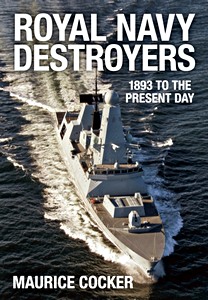
Royal Navy Destroyers - 1893 to the Present Day

In 1870 the British Admiralty commended to Parliament the weapon known as the 'Hydrostatic Torpedo', a weapon of surprise and stealth that required a small, speedy craft to launch it, especially in the early days when its range was only half a nautical mile, and thus came to be built HMS Lightning, the first torpedo boat for the Royal Navy.

The potential for the weapon was soon realised and the Admiralty was obliged to find a new design to accommodate it. In 1873 the 'torpedo boat destroyer' was born.
The TBD became indispensable to the navies of the world and in two world wars its importance both as an offensive and defensive weapon for fleet and convoy escort duties showed that no task at sea was too much for the destroyer.
The post-war Royal Navy has seen cutbacks and increased sophistication.

The destroyer - now larger and armed with guided missiles - has seen both, and in this revised and updated second edition Maurice Cocker charts its history, providing much new information and a comprehensive record of the history and appearance of each class. An invaluable reference book for all maritime historians.

Dettagli del libro

Autore:Maurice Cocker
Formato:160 pagine, 24.5 x 17.5 x 1.2 cm, brossura
Illustrazioni:illustrato
Lingua:inglese
Editore:The History Press Ltd (GB, 2011)
ISBN:9780752461595
Copertina del libro: Royal Navy Destroyers - 1893 to the Present Day | The History Press

Royal Navy Destroyers - 1893 to the Present Day

Lingua: inglese

Prezzo e disponibilità sono indicati dal venditore

Royal Navy Torpedo Vessels 1870 - 1914

The self-propelled or locomotive torpedo was probably the greatest game-changer in the history of naval warfare. For the first time the largest warship could be sunk by a weapon carried by the smallest, and most navies were quick to see the potential.
Although the 19th-century Royal Navy had a reputation for technological conservatism, it was an 'early adopter' of the torpedo and was instrumental in the development of the small fast craft that became the delivery system of choice, the steam torpedo boat.
Britain's most important contribution to torpedo warfare, however, was the invention of its antidote, the torpedo boat destroyer, or 'destroyer' as it came to be called. This often-told story has overshadowed the earlier but no less significant history of the torpedo boat itself in the Royal Navy, an injustice set to right by this book.

Torpedoes were derived from earlier underwater explosive devices - mines, spar and towed torpedoes, and the like - so the first chapter briefly reviews their history before moving on to Robert Whitehead's revolutionary invention that made the self-propelled torpedo a practical weapon.
The Admiralty was so impressed it purchased the rights to Whitehead's device, and thereafter the Royal Navy made much of the early running in torpedo boat design. In this they were greatly assisted by existing boatbuilders like Thornycroft and Yarrow who already specialised in small fast craft.

The core of this book is a detailed developmental history of British torpedo craft, from the early experiments like Vesuvius and Polyphemus, through the 1st Class TBs to the so-called Coastal Destroyers of the early 20th century. There are also separate chapters on 2nd Class boats, on Torpedo Gunboats and on the 'Torpedo Depot Ships' Hecla and Vulcan.
The book concludes with a number of appendices devoted to background issues like quick-firing guns and reports on performance of the boats in various circumstances.
As it fills a surprising gap in the technical history of British warships, this book will be welcomed by naval enthusiasts, modelmakers and historians.

Dettagli del libro

Autore:Les Brown
Formato:192 pagine, 26.5 x 22 x 2.3 cm, copertina rigida
Illustrazioni:200 foto in B&N, 8 pagine in colori
Lingua:inglese
Editore:Seaforth Publishing (GB, 2023)
ISBN:9781399022859
Copertina del libro: Royal Navy Torpedo Vessels 1870 - 1914 | Seaforth

Royal Navy Torpedo Vessels 1870 - 1914

Lingua: inglese

Prezzo e disponibilità sono indicati dal venditore

Town Class Destroyers - A Critical Assessment

Early in World War II, fifty obsolete US Navy destroyers were transferred to the Royal Navy in return for a 99-year lease British bases in the Caribbean, Bahamas and Newfoundland. Though they were obsolete and far from ideal, they played a vital role in the Royal Navy's campaign. This is their complete story.

Topics covered include the background to the acquisition of the ships - the Battle of the Atlantic; their specification and design, and modifications in RN service; operations and achievements, such as the St Nazaire Raid and finally, losses and accidents. This authoritative text is supported by many contemporary photographs and twenty eight detailed plans prepared specially for this book.

Dettagli del libro

Autore:John Henshaw
Formato:96 pagine, 22 x 30.5 x 1.6 cm, copertina rigida
Illustrazioni:50 foto in B&N, 28 viste di profilo
Lingua:inglese
Editore:The Crowood Press Ltd (GB, 2018)
ISBN:9781785004018
Copertina del libro: Town Class Destroyers - A Critical Assessment | Crowood

Town Class Destroyers - A Critical Assessment

Lingua: inglese

Prezzo e disponibilità sono indicati dal venditore

Titoli correlati:

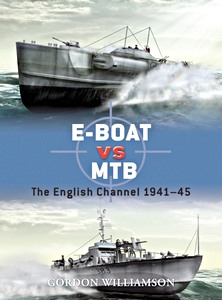
Copertina del libro: E-boat vs MTB - The English Channel 1941-45 | Duel (34)

E-boat vs MTB - The English Channel 1941-45

Gordon Williamson | inglese | brossura | 80 p. | 2011

Copertina del libro: British Motor Gun Boat 1939-45 | New Vanguard (166)

British Motor Gun Boat 1939-45

Angus Konstam | inglese | brossura | 48 p. | 2010

Copertina del libro: Dog Boats at War - Royal Navy D Class MTBs and MGBs 1939-1945

Dog Boats at War - Royal Navy D Class MTBs and MGBs 1939-1945

Leonard C. Reynolds | inglese | brossura | 304 p. | 2009

Copertina del libro: British Motor Torpedo Boat 1939-45 | New Vanguard (74)

British Motor Torpedo Boat 1939-45

Angus Konstam | inglese | brossura | 48 p. | 2003